
Failed Back Surgery
Back surgery was supposed to end the pain. If it didn't, or the pain came back, another operation is not your only option. Our non-surgical DRS Protocol® has helped Fort Wayne patients find relief after surgery failed.
Still in Pain After Back Surgery? You Are Not Alone
You did what you were told. You tried the injections, the therapy, and the medication, and when those ran out you agreed to surgery. Now, weeks or years later, the pain is still there. Maybe it never left. Maybe it faded for a while and came back. Maybe it moved to a new spot.
That experience has a name: failed back surgery syndrome. It is one of the most common reasons people from Fort Wayne and the surrounding region walk through our doors, and for many of them the answer is not another operation.
What Is Failed Back Surgery Syndrome?
Failed back surgery syndrome (FBSS) describes persistent or recurring back or leg pain after one or more spine surgeries. You may also hear it called post-laminectomy syndrome, post-surgical spine syndrome, or persistent spinal pain syndrome.
It can follow almost any spine procedure, including:
- Discectomy or microdiscectomy for a herniated disc
- Laminectomy for spinal stenosis
- Spinal fusion, with or without screws, rods, and cages
- Artificial disc replacement
- Repeat or revision surgery
The name is a little misleading. It rarely means the surgeon did something wrong. It means the surgery did not produce the result that was expected, and the real driver of the pain is still there.
How Common Is It?
Published research puts the rate of failed back surgery at roughly 10% to 40% of lumbar spine operations, with higher numbers after fusion. The odds also get worse with each additional surgery. One widely cited analysis found success rates falling to about 30% after a second operation, 15% after a third, and 5% after a fourth.
That is why the question most post-surgical patients ask us is the right one: is there something I can try before I go through that again?
Why Back Surgery Fails
Pain after surgery always has a cause. The most common ones we find are:
- Recurrent disc herniation. After a discectomy, the remaining disc material can push out again at the same level.
- Adjacent segment disease. When vertebrae are fused, the discs directly above and below must absorb the motion the fused level used to share. Over time they bulge, herniate, or degenerate.
- Scar tissue (epidural fibrosis). Scar tissue is a normal part of healing, but when it forms around a nerve root it can tether and irritate the nerve.
- Remaining nerve compression. Stenosis or a disc fragment that was not fully relieved, or that has returned.
- A fusion that did not fully heal, or hardware that has loosened or is irritating nearby tissue.
- The wrong pain generator. MRI findings do not always match the true source of pain. If the surgery fixed what the scan showed but not what actually hurt, the pain stays.
- Deconditioning. Months of guarding and limited movement leave the deep stabilizing muscles of the spine weak, which puts more stress on already vulnerable discs.
Knowing which of these is behind your pain is the whole game. That is where we start.
What Failed Back Surgery Can Look Like
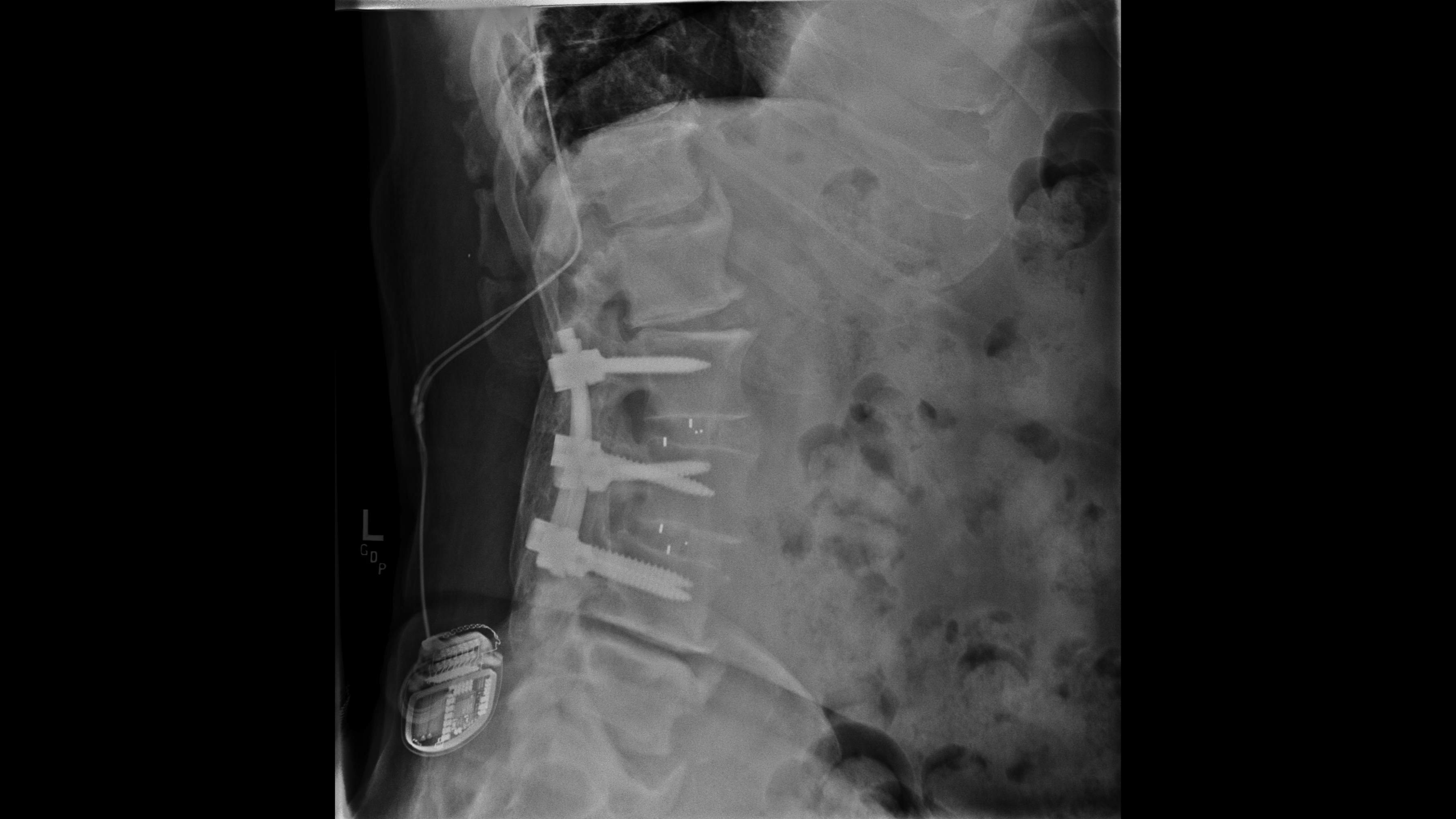
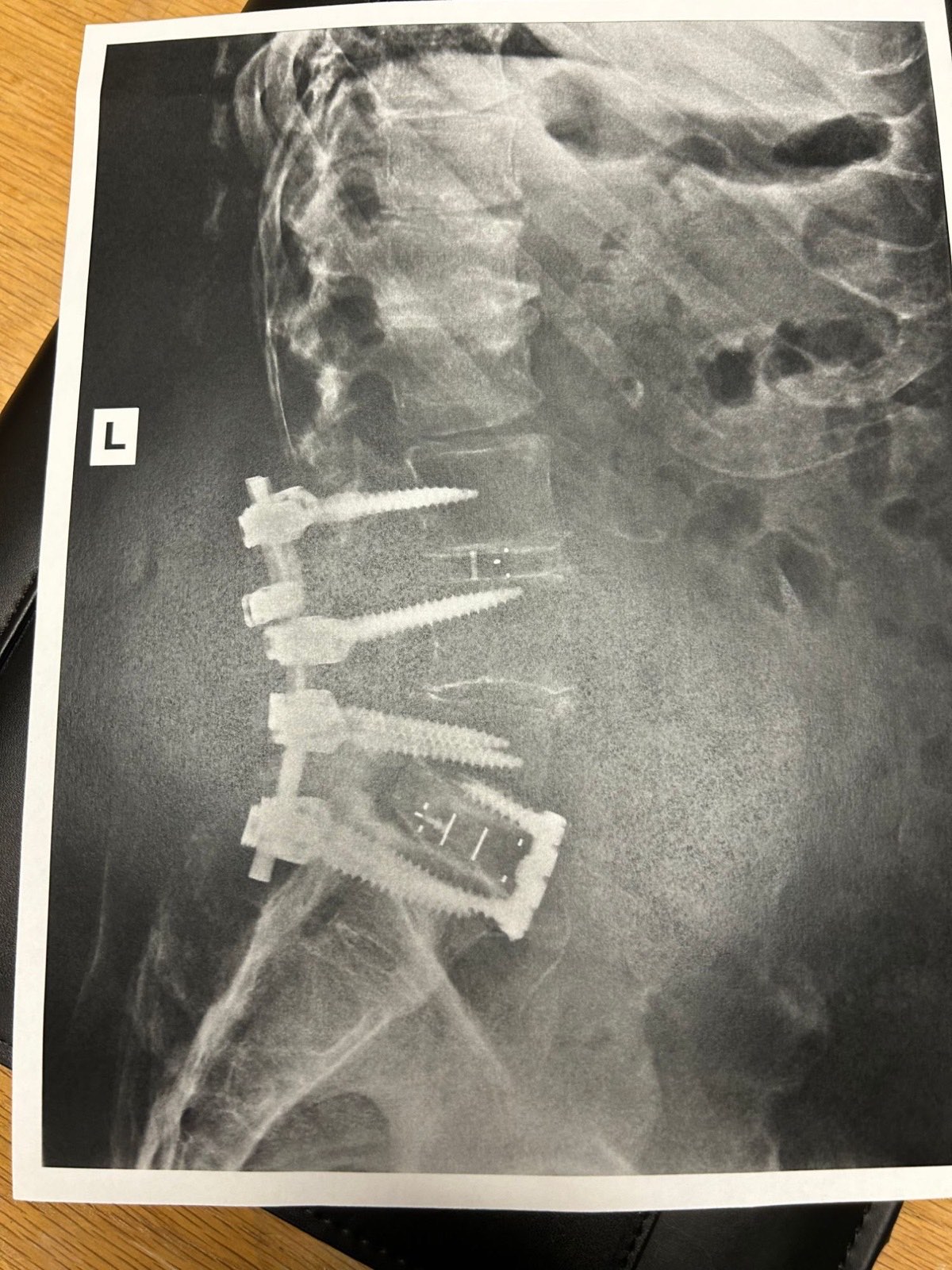
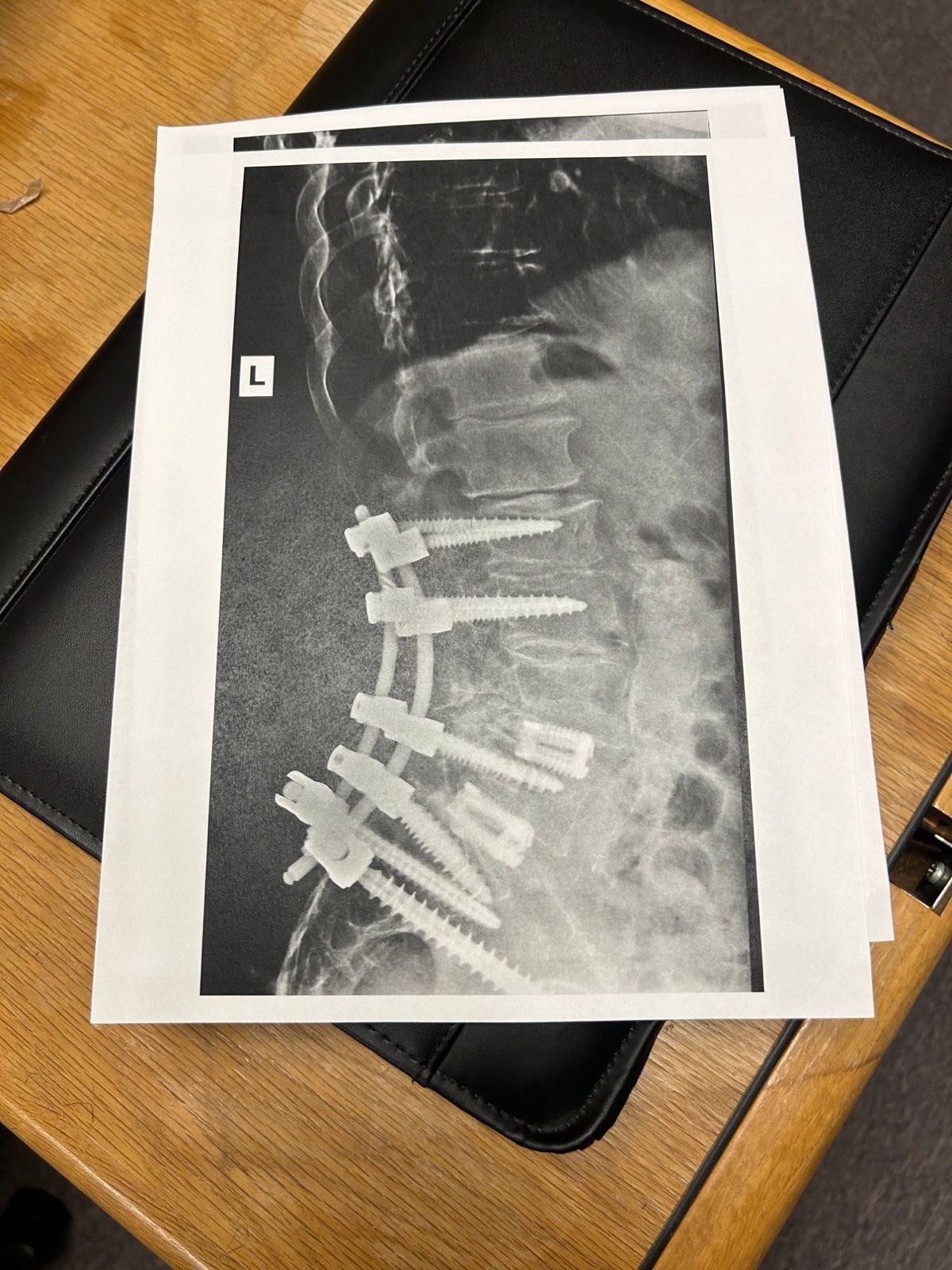
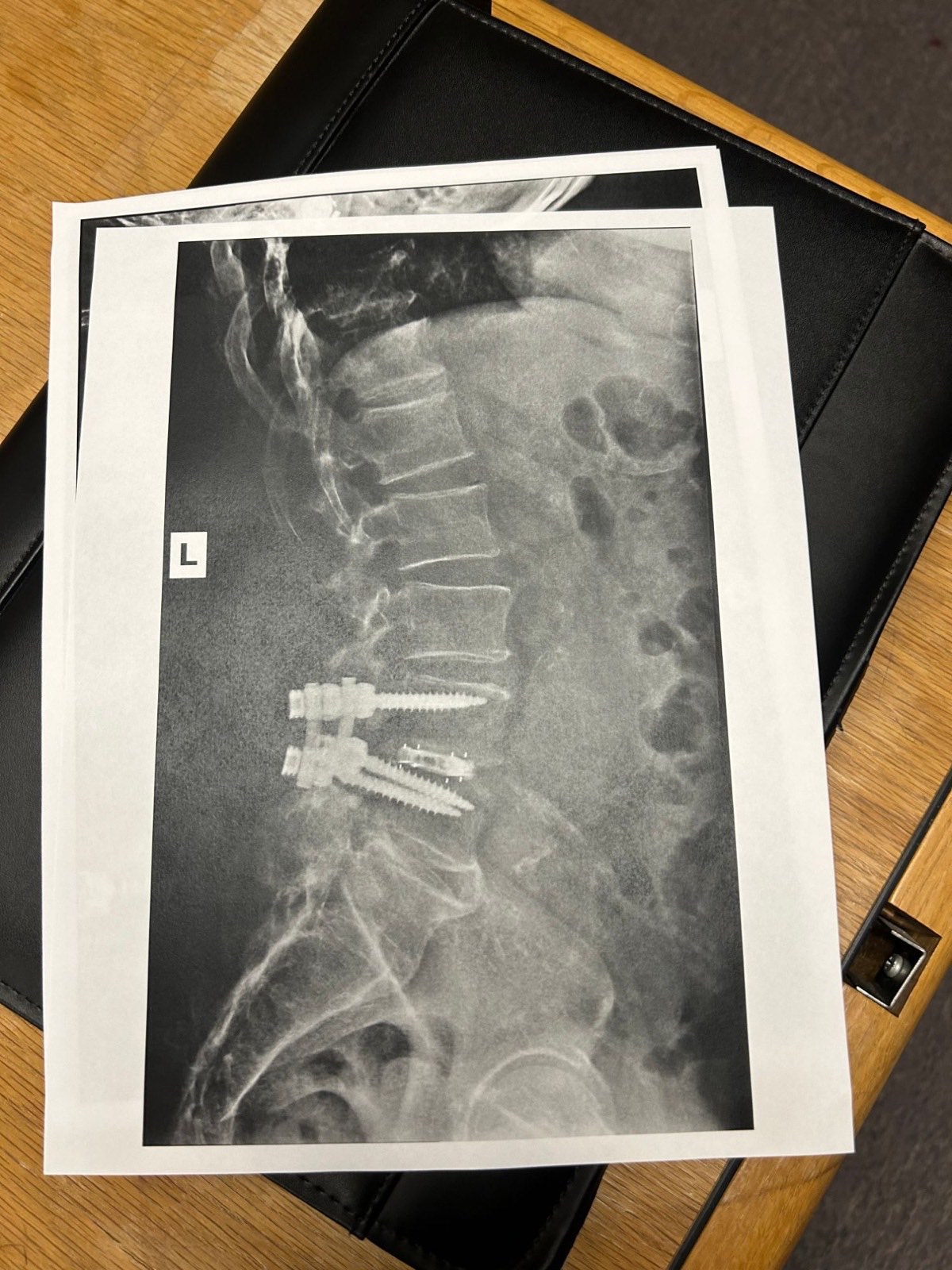
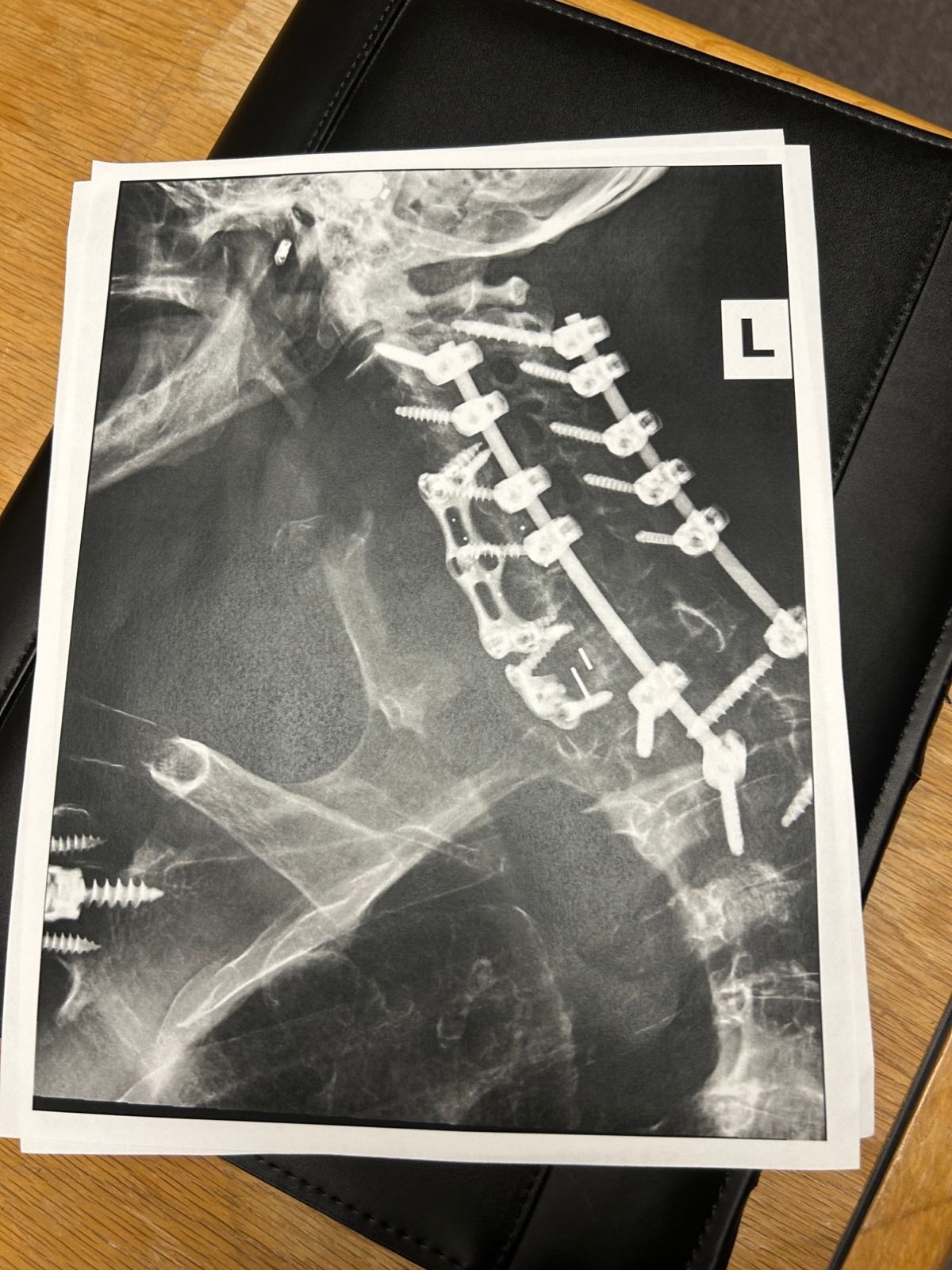
These are X-rays of spines after fusion surgery. Screws, rods, plates, and cages lock vertebrae together so they can no longer move, and the levels above and below are left to pick up the extra work. People with surgeries like these often come to us still looking for relief.
Symptoms of Failed Back Surgery
- Back pain that is the same as, or worse than, before surgery
- Pain that improved after surgery and then returned
- New pain at a different level, above or below the surgical site
- Sciatica, or burning and shooting pain into the buttock, leg, or foot
- Numbness, tingling, or weakness in a leg
- Stiffness and loss of mobility
- Pain that limits sitting, standing, walking, or sleeping
- Growing reliance on pain medication to get through the day
A note on emergencies: loss of bowel or bladder control, numbness in the groin or inner thighs, rapidly worsening leg weakness, or fever with severe back pain after surgery need immediate medical attention. Go to the emergency room or call your surgeon right away.
Why Another Surgery Is Not Your Only Option
When surgery does not work, the usual path forward is more of the same: stronger medication, more injections, a spinal cord stimulator, or a revision surgery that extends the fusion to the next level. Each step is more invasive than the last, and none of them help a damaged disc actually heal.
There is another way to approach it. In many post-surgical patients, the pain is coming from a disc that has never been operated on, most often the level right next to the surgery. That disc can frequently be treated without cutting anything.
If you are being told a second surgery is the next step, it is worth reading what to consider before having back surgery and getting a non-surgical opinion first.
Non-Surgical Treatment for Failed Back Surgery in Fort Wayne
Busch Chiropractic specializes in non-surgical disc treatment through the DRS Protocol®, developed by Fort Wayne chiropractor Dr. Richard E. Busch III. DRS stands for Decompression, Reduction, and Stabilization.
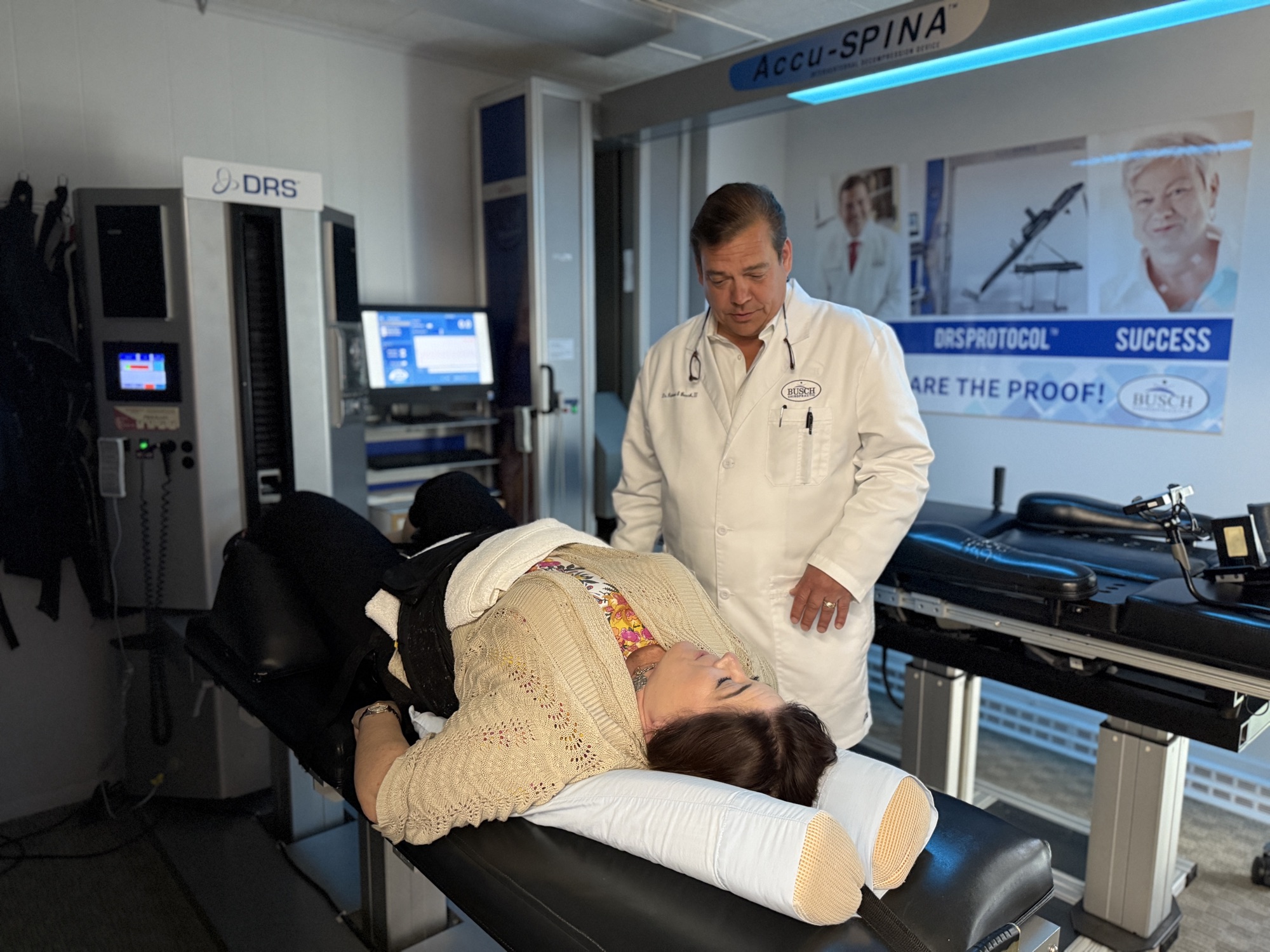
Here is how it works for a post-surgical spine:
- Decompression. A computer-controlled table applies a gentle, precise pull to the specific disc level causing your pain. Pressure inside the disc drops, which takes pressure off the irritated nerve.
- Reduction. As that pressure reverses, bulging or herniated disc material can draw back toward the center of the disc, and the disc pulls in the water, oxygen, and nutrients it needs to repair.
- Stabilization. Targeted rehabilitation rebuilds the deep muscles that support your spine, so the levels around your surgery are protected going forward.
The protocol also includes supportive therapies and, where appropriate, gentle chiropractic care. There are no incisions, no injections, and no addictive medications. Most patients go straight back to work or home after a session.
See How Your Spine Is Really Moving
A static MRI cannot show motion. Dynamic Digital Radiography (DDR) records the spine as it bends, which helps Dr. Busch see how the levels around a previous surgery are behaving before recommending care. These lumbar motion studies were captured at Busch Chiropractic. Every clip plays silently.
Lateral Lumbar Spine
1 / 2
Are You a Candidate After Surgery?
A previous surgery does not automatically rule you out, and it does not automatically qualify you either. Every post-surgical spine is different, so we look at yours closely before recommending anything:
- We review your surgical history. Bring your operative report if you have it, along with any MRI, CT, or X-ray images taken since your surgery.
- We examine you thoroughly. Orthopedic and neurological testing tells us which nerves are involved and how they are functioning.
- We look at how your spine moves. Our Dynamic Digital Radiography (DDR) system records your spine in motion. This is especially valuable after a fusion, because it shows how the levels above and below your hardware are behaving.
- We give you a straight answer. If you are a candidate, you will get a clear plan. If you are not, we will tell you why and help you find the right next step.
Fort Wayne Patients Who Found Relief After Failed Back Surgery
These are real patients of our practice, in their own words. Individual results vary.
- Ernie had emergency back surgery, and a few years later was told he would need another. He chose the DRS Protocol® instead. “Ten years later, I’m still pain-free.” Read Ernie’s story.
- Joey was still having the same leg pain four weeks after surgery for a herniated disc. After his exam he learned he was still a candidate for the DRS Protocol®. Read Joey’s story.
You can find more in our patient reviews and video testimonials.
Serving Fort Wayne and Northeast Indiana
Busch Chiropractic is located at 5005 Riviera Drive in Fort Wayne, Indiana. Our office is an easy drive from New Haven, Huntertown, Auburn, Columbia City, Huntington, Decatur, and Warsaw, and patients travel to us from across Northeast Indiana, Northwest Ohio, and Southern Michigan.
If back surgery did not give you your life back, you have more options than you have been told. Call us at (260) 471-4090 and speak with a member of our staff, or schedule an appointment online.
Real Failed Back Surgery Results on Video
Hear directly from patients who found relief from failed back surgery at Busch Chiropractic. Tap any video to watch their story.
After Failed Back Surgery, Ernie Found Back Pain Relief with the DRS Protocol®
Read the full storyJim avoided surgery and is now back to riding dirt bikes with the DRS Protocol®
Read the full storyNeuropathy and Balance Treatment That Restored Kerry’s Mobility After Failed Back Surgery
Read the full storyFrequently Asked Questions
Failed back surgery syndrome (FBSS) is the term for back or leg pain that continues, returns, or gets worse after spine surgery. It is also called post-laminectomy syndrome or persistent spinal pain syndrome. It does not necessarily mean the surgeon made a mistake. It means the operation did not deliver the lasting relief you expected, and the source of the pain still needs to be found and treated.
More common than most patients are told. Published estimates range from roughly 10% to 40% of people who have lumbar spine surgery, with higher rates after fusion and after repeat operations. If you are still hurting after surgery, you are far from alone.
There are several common reasons. The disc can re-herniate at the same level. The discs above and below a fusion take on extra load and begin to break down, which is called adjacent segment disease. Scar tissue can form around a nerve root. A fusion may not fully heal. And sometimes the surgery addressed a finding on the MRI that was not the true source of the pain. A careful exam and updated imaging are the only way to know which applies to you.
In many cases, yes. Failed back surgery is one of the most common reasons new patients come to our Fort Wayne office. Surgery changes the anatomy of the spine, but it does not rule out treatment of the levels around it. We review your surgical records and current imaging first, and we only recommend the DRS Protocol® when you are a good candidate.
Often, but it depends on the details. We do not apply decompression across a fused, instrumented segment. Many fusion patients, however, are hurting from the discs directly above or below the fusion, and those levels can frequently be treated. Dr. Busch will look at exactly where your hardware is, how the fusion has healed, and how the rest of your spine is moving before recommending anything.
That depends on the procedure you had and how you have healed. As a general guide, we want the surgical site fully healed before any decompression, and the timeline is longer after a fusion than after a discectomy. Bring your operative report and any follow-up imaging to your consultation and we will give you a clear answer for your situation.
Not always. If you have imaging from after your surgery, bring it and we will review it. If your symptoms have changed since your last scan, or we do not have a clear picture of what is happening now, we may recommend updated imaging so treatment can be targeted precisely. We also use Dynamic Digital Radiography (DDR) in our office to see how your spine moves, which a static MRI cannot show.
No. Most patients find DRS Protocol® sessions relaxing. You lie comfortably on the table while a computer-controlled system applies a gentle, precise pull to the targeted disc level. There is no anesthesia, no incision, and no recovery time. Most people drive themselves home and go back to their day.
A typical DRS Protocol® course is 20 to 25 sessions over 8 to 12 weeks, with visits more frequent at the start and tapering as you improve. Post-surgical spines can take a little longer. We re-examine you at regular intervals and will tell you honestly if you are not responding the way we expect.
Yes, you can still be evaluated. An implanted device changes what is safe and appropriate, so we review the device, its lead placement, and your imaging before making any recommendation. Some patients with implants are candidates for parts of our care and some are not. You will get a straight answer either way.
We will tell you. Not every post-surgical spine can be treated conservatively. If we find something that needs a surgeon, a pain specialist, or further testing, we will explain why and help point you in the right direction. You will leave the consultation knowing more about your spine than when you walked in.
Yes. Patients travel to our Fort Wayne office from across Northeast Indiana, Northwest Ohio, and Southern Michigan for the DRS Protocol®, and many of them come specifically because a previous surgery did not work.
Treatments that may help
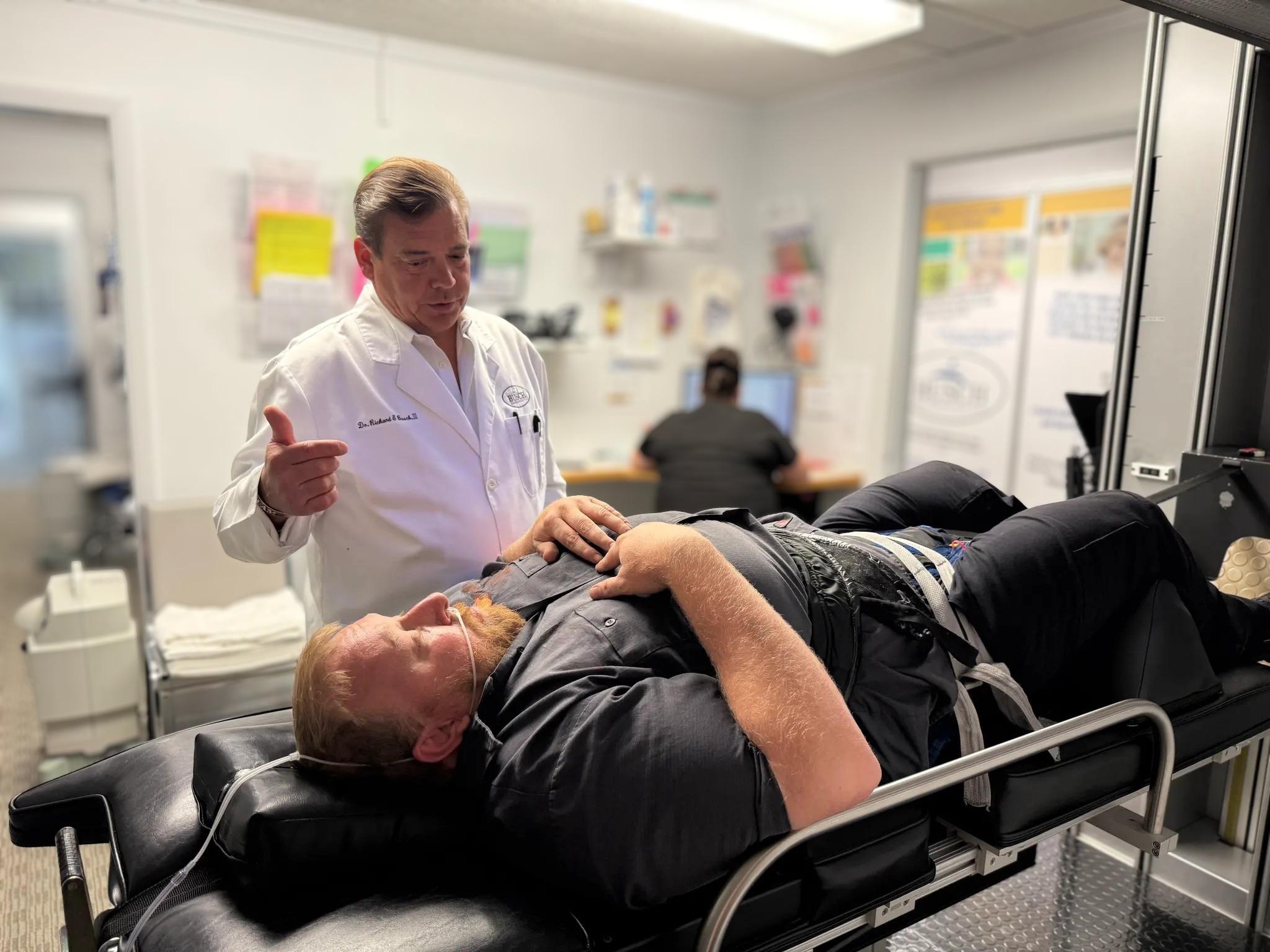
The DRS Protocol®
A revolutionary treatment designed to alleviate chronic back and neck pain without surgery or addictive medications.
Learn more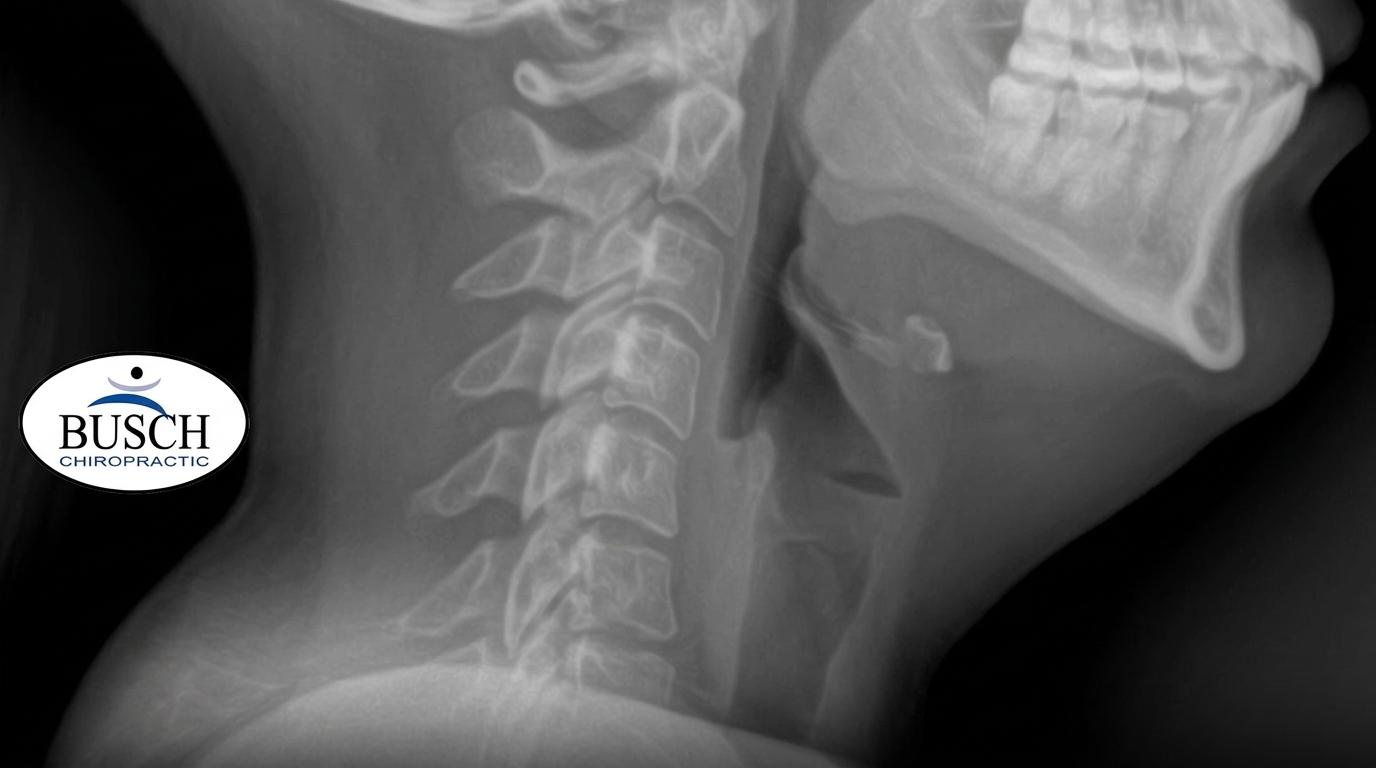
Dynamic Digital Radiography
A painless diagnostic test that records real-time, full-motion X-ray imaging of any body joint in motion — revealing dynamic injuries conventional imaging can't see.
Learn more
Chiropractic Care
A non-invasive, drug-free approach to musculoskeletal health that emphasizes spinal health and the body's natural ability to heal.
Learn more