
Back Pain
Back pain is the second most common reason for physician visits — and one of the most treatable without surgery. Our DRS Protocol® addresses the root cause.

What Causes Back Pain
Low back pain is one of the most widespread health concerns in the United States, ranking as the second most common reason for all physician visits. At any given moment, roughly 1 in 4 American adults is dealing with low back pain — and over the course of a lifetime, more than 80% of us will experience an episode serious enough to interfere with daily life.
Many people postpone treatment because they underestimate the severity of their pain or assume it will simply go away with rest. The cumulative nature of these underlying conditions means delayed care often results in greater long-term damage and a longer recovery once treatment finally begins.
Symptoms of Back Pain
Back pain doesn’t look the same for everyone. Common indicators include:
- A dull ache or stiffness in the lower back, often worse first thing in the morning
- Sharp, localized pain that intensifies with movement, lifting, or twisting
- Pain that radiates into the buttock, hip, or down the back of the leg (sciatica)
- Weakness or fatigue in the legs after standing or walking
- Numbness, tingling, or burning sensations in the legs, hands, or feet
- Difficulty standing up straight, bending forward, or transitioning from sitting to standing
If your pain is accompanied by loss of bladder or bowel control, sudden severe weakness in the legs, or fever, seek emergency care immediately — these can be signs of a serious neurological emergency.
Conditions We Treat
At Busch Chiropractic, we’ve helped thousands of patients overcome:
- Back pain of any kind — acute or chronic
- Failed back surgery
- Herniated and bulging discs
- Degenerative disc disease
- Sciatic pain and radiating leg pain
- Spinal stenosis
- Facet syndrome
- Sacroiliac (SI) joint dysfunction
- Numbness and tingling in arms or legs
- Chronic and complex pain conditions that other clinics have given up on
Back Pain Treatment in Fort Wayne
Busch Chiropractic offers the DRS Protocol®, a safe, non-surgical and drug free alternative that addresses low back pain at its source. Unlike pain medication that masks symptoms or surgery that introduces new risks, the DRS Protocol® uses gentle, computer-controlled spinal decompression to relieve pressure on injured discs and irritated nerves — giving your body the space and time it needs to heal.
See the Lower Back in Motion
These motion X-ray studies of the lumbar spine were captured at Busch Chiropractic using Dynamic Digital Radiography (DDR) — revealing how the lower back actually moves, not just how it looks in a static image. Every clip plays silently.
Lateral Lumbar Spine — View 2
1 / 2
Real Back Pain Results on Video
Hear directly from patients who found relief from back pain at Busch Chiropractic. Tap any video to watch their story.
Frequently Asked Questions
Most back pain that lasts more than two weeks, interrupts sleep, radiates into the legs or arms, or comes with numbness, tingling, or weakness deserves a professional evaluation. Pain that follows a fall, accident, or sudden lifting injury should also be assessed. The earlier you catch a disc, joint, or nerve problem, the more effectively non-surgical treatment can resolve it.
In adults, the most common underlying cause is a disc problem — either a herniated/bulging disc or degenerative disc disease. Discs sit between each vertebra and cushion the spine. When they bulge, tear, or thin out, they can press on nearby nerves and cause sharp local pain, sciatica, or referred pain into the hips and legs. Muscle strain and facet joint dysfunction are also frequent contributors.
For the vast majority of patients, no. Most back pain — even pain caused by herniated discs, bulging discs, or moderate stenosis — responds extremely well to conservative care. Studies repeatedly show that the long-term outcomes of non-surgical treatment match or exceed surgery for most disc-related back pain, without the risks, scar tissue, or recovery time. Surgery should be reserved for true emergencies or cases that have failed every reasonable conservative option.
Most patients begin to feel measurable relief within the first 2–4 weeks of care. A complete treatment course for chronic back pain or disc-related conditions typically runs 6–12 weeks, depending on severity, how long you have lived with the problem, and your overall health. We re-evaluate progress regularly and adjust the plan based on what your spine is telling us.
Yes. The DRS Protocol® is a non-surgical, FDA-cleared spinal decompression therapy that uses gentle, computer-controlled distraction to relieve pressure on injured discs and nerves. It does not involve medication, injections, or invasive procedures. Patients typically describe sessions as relaxing, and side effects are rare and minor.
With the right combination of decompression, rehabilitative exercises, and posture/ergonomic guidance, most patients maintain their results long term. We build a maintenance plan into every treatment course so you understand exactly how to protect your spine going forward — including which movements to avoid, which to strengthen, and when to come back for a check-in.
Treatments that may help
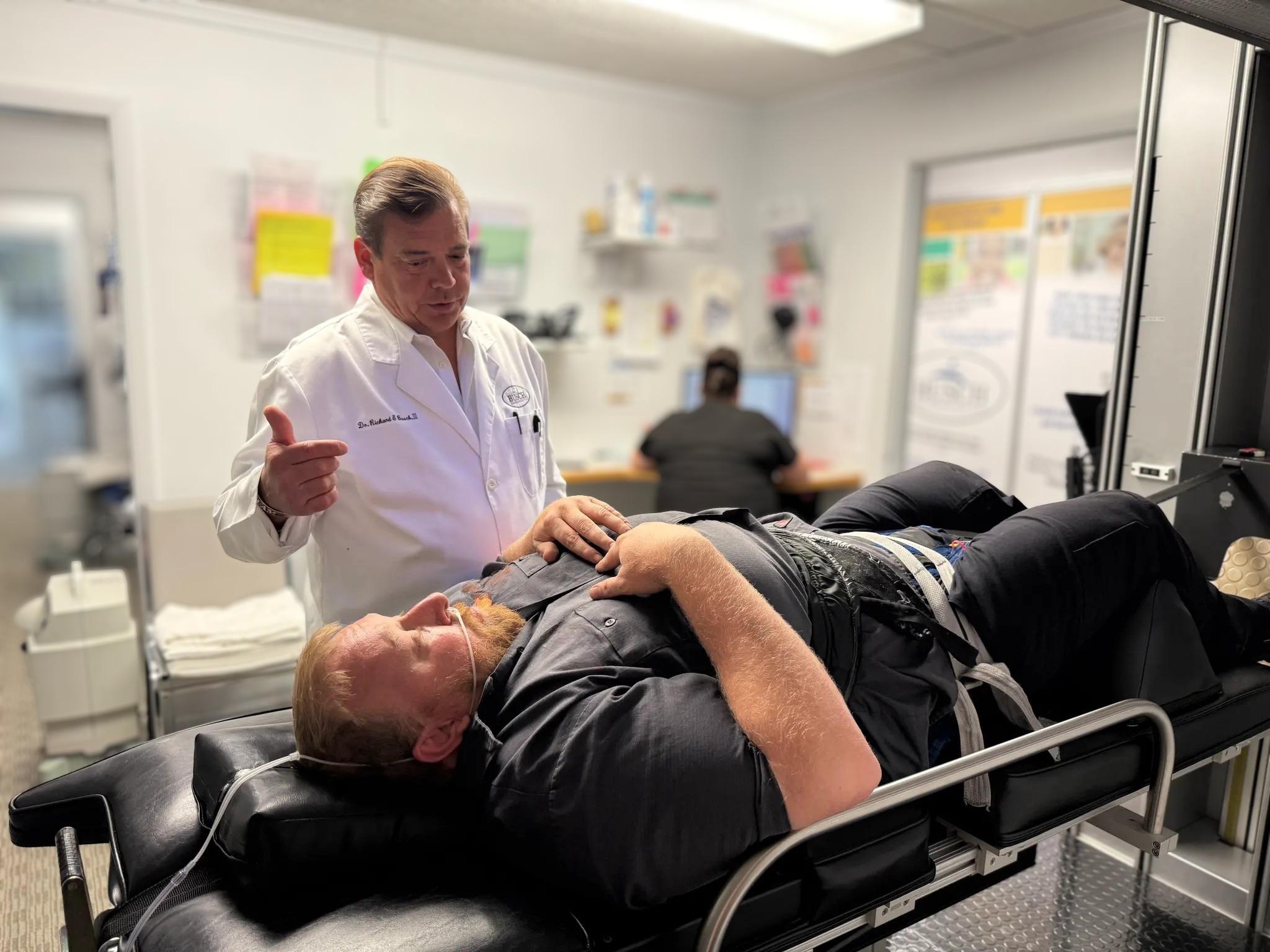
The DRS Protocol®
A revolutionary treatment designed to alleviate chronic back and neck pain without surgery or addictive medications.
Learn more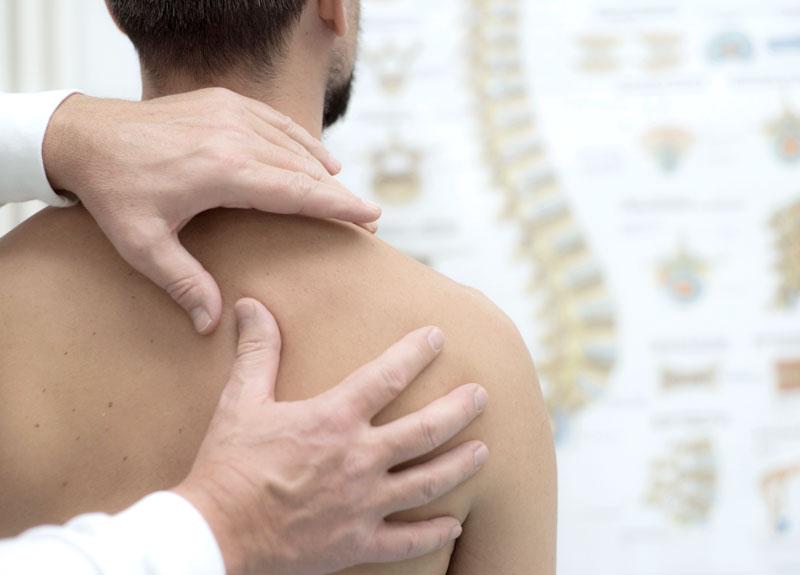
Chiropractic Care
A non-invasive, drug-free approach to musculoskeletal health that emphasizes spinal health and the body's natural ability to heal.
Learn more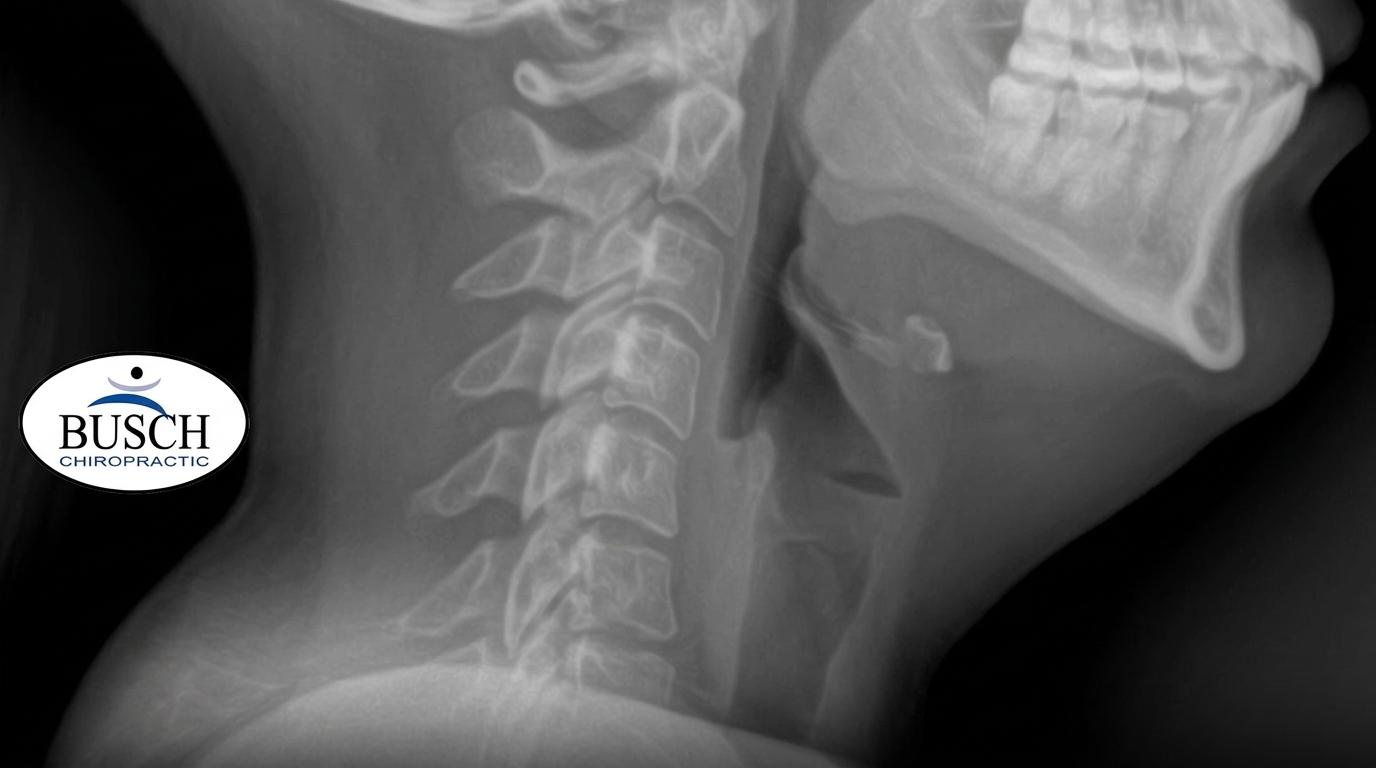
Dynamic Digital Radiography
A painless diagnostic test that records real-time, full-motion X-ray imaging of any body joint in motion — revealing dynamic injuries conventional imaging can't see.
Learn more