
Personal Injury
Back or neck pain after a car accident, slip and fall, or sports injury? Don't ignore it. Early diagnosis with DMX™ technology can prevent lasting damage.

Healing After Injury
Back or neck pain from a car accident, slip and fall, or sports incident disrupts every part of daily life. Busch Chiropractic in Fort Wayne specializes in personalized pain relief that targets the underlying cause of your discomfort.
Our DMX™ diagnostic technology helps identify the precise source of pain and guides every treatment decision — so you're not guessing about what's wrong or relying on imaging that misses soft tissue injuries.
Common Personal Injury Conditions
- Whiplash from rear-end collisions
- Herniated or bulging discs from impact
- Soft tissue injuries (sprains, strains, ligament damage)
- Concussion-related symptoms
- Joint injuries and instability
- Chronic pain that develops weeks or months after an accident
Don't Wait to Get Checked
Many people walk away from accidents feeling "just shaken up" — only to develop debilitating pain weeks or months later. Soft tissue injuries and joint instability often don't show up on standard X-rays or MRIs, but they can cause permanent damage if left untreated.
What Makes Our Approach Different
Recovery requires both compassionate clinical care and advanced diagnostic capabilities. We combine the DRS Protocol®, chiropractic care, and DMX™ Digital Motion X-Ray to restore your health and quality of life through nonsurgical, drug-free care.
Real Personal Injury Results on Video
Hear directly from patients who found relief from personal injury at Busch Chiropractic. Tap any video to watch their story.
Frequently Asked Questions
Yes. Many people walk away from a car accident, slip and fall, or sports incident feeling only shaken up, then develop debilitating pain weeks or even months later. Soft-tissue injuries, joint instability, and whiplash often do not cause symptoms right away, but they can lead to permanent damage if left untreated. A prompt evaluation catches these hidden injuries while they are still most treatable.
As soon as possible — ideally within a few days. Early diagnosis lets us document injuries accurately and begin care before soft-tissue damage and joint instability have a chance to worsen or become chronic. Even if the pain seems minor now, getting checked early gives you the best chance of a full recovery and protects you if symptoms surface later.
DMX™ (Digital Motion X-Ray) is advanced imaging that records your joints while they are actually moving, rather than in a single still position. Many injuries from accidents — especially ligament and soft-tissue damage in the neck — only reveal themselves under motion and load. DMX™ helps pinpoint the precise source of your pain and guides every treatment decision, so you are not guessing about what is wrong.
Standard X-rays and MRIs are static snapshots taken while you hold still, and the upper spine and posterior spine contain ligaments that are best evaluated in motion. Stretched ligaments, joint instability, and many whiplash injuries simply do not appear on imaging captured at rest. That is why we rely on motion-based diagnostics like DMX™ to uncover injuries conventional imaging overlooks.
Yes. Whiplash is one of the most common injuries we treat, along with herniated or bulging discs from impact, soft-tissue sprains and strains, concussion-related symptoms, and joint injuries or instability. Because whiplash frequently involves ligament damage that static imaging misses, our motion-based diagnostics are especially valuable for these cases.
We combine advanced diagnostics with nonsurgical, drug-free care. Depending on your findings, your plan may include the DRS Protocol® for disc-related pain, chiropractic care to restore joint function and alignment, and DMX™ imaging to guide and document treatment. The goal is to address the underlying cause of your pain and restore your health and quality of life without surgery or long-term medication.
Treatments that may help
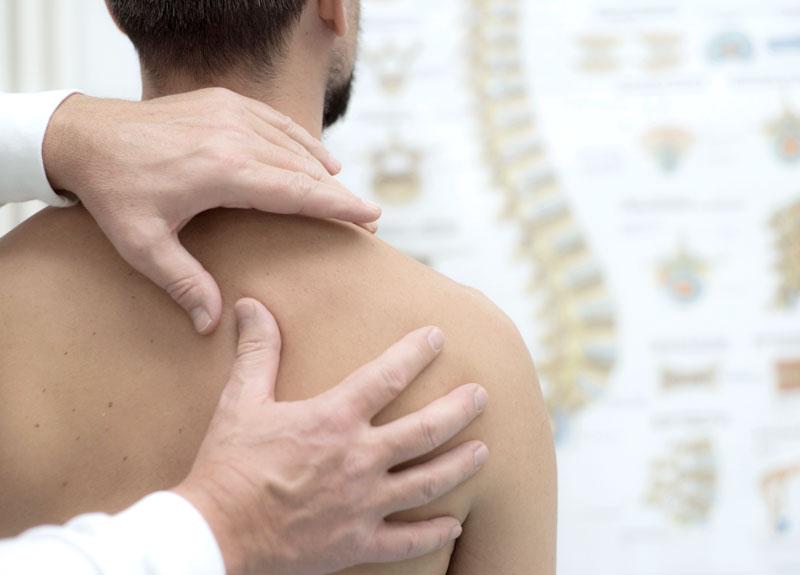
Chiropractic Care
A non-invasive, drug-free approach to musculoskeletal health that emphasizes spinal health and the body's natural ability to heal.
Learn more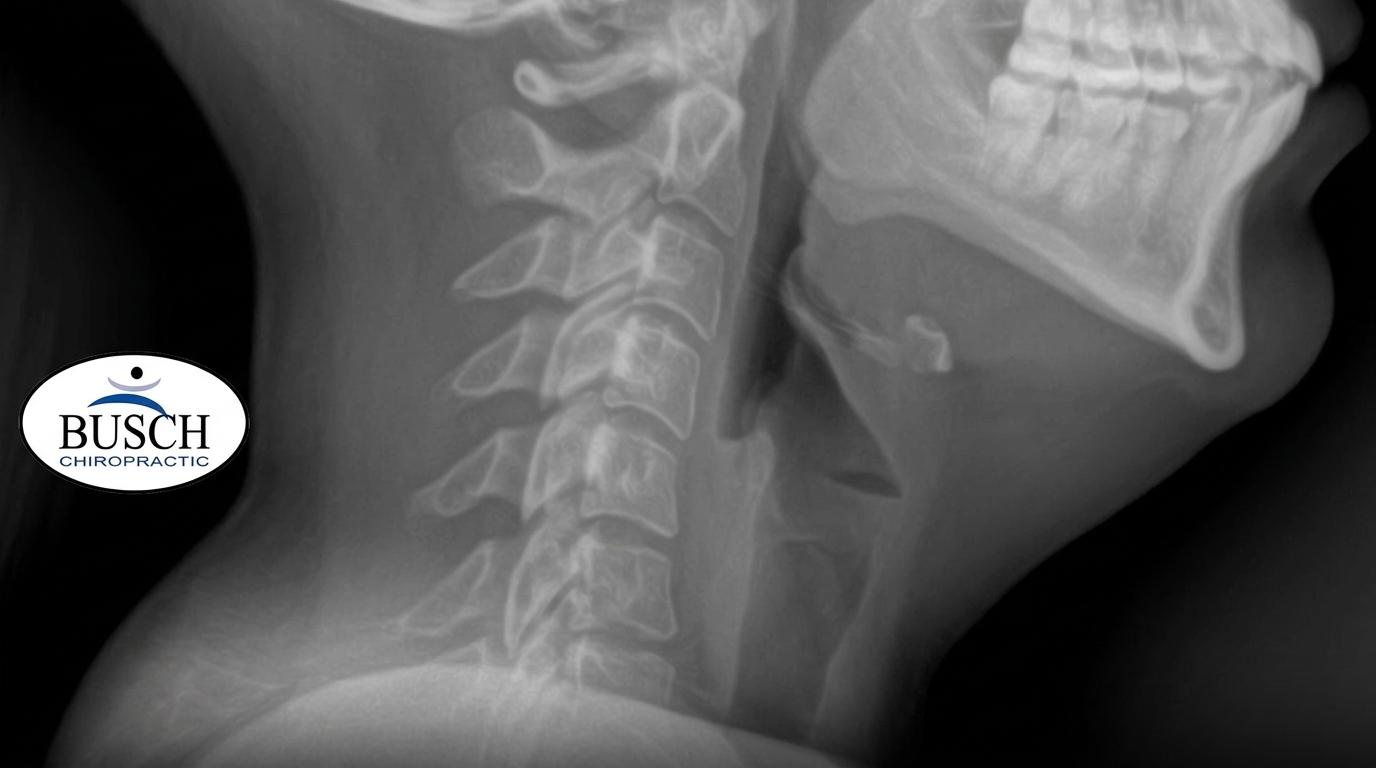
Dynamic Digital Radiography
A painless diagnostic test that records real-time, full-motion X-ray imaging of any body joint in motion — revealing dynamic injuries conventional imaging can't see.
Learn more