Herniated & Bulging Disc
A herniated or bulging disc doesn't have to mean surgery. The DRS Protocol® gently rehydrates and decompresses injured discs.
What Is a Herniated or Bulging Disc?
The discs between your vertebrae act as cushioning pads — preventing bone-on-bone contact and absorbing the shock of every step, lift, and twist. Each disc has a tough outer ring (the annulus fibrosus) surrounding a soft, gel-like inner core (the nucleus pulposus).
When a disc bulges, the outer wall weakens and the disc pushes outward beyond its normal boundary — but the outer ring stays intact. When a disc herniates (sometimes called a “slipped” or “ruptured” disc), the outer wall actually tears and some of the inner gel pushes through the opening. In either case, the displaced disc material can press on nearby nerve roots leaving the spinal cord — which is what produces the radiating, burning, or shooting pain so many patients experience.
Disc problems can occur anywhere along the spine, but they’re most common in the lower back (lumbar spine) and neck (cervical spine) because those regions handle the most movement and load. Lumbar herniations often radiate into the buttock and down a leg (sciatica). Cervical herniations often radiate into the shoulder, arm, or hand.
What Causes Disc Problems?
Disc injuries usually have multiple contributing factors:
- Age-related wear — discs naturally lose hydration and elasticity over the decades, making them more prone to bulging and tearing.
- Repetitive strain — years of bending, lifting, twisting, or sitting in poor posture gradually overload disc tissue.
- Acute injury — a single heavy lift, a fall, an auto accident, or a sports injury can rupture a disc that was already weakened.
- Genetics — some people are simply born with discs that are more prone to degeneration.
- Lifestyle factors — smoking reduces blood flow to discs, excess body weight increases mechanical load, and sedentary habits weaken the muscles that protect the spine.
Common Symptoms
- Sharp, burning, or shooting pain in the back or neck
- Pain radiating into an arm, leg, hand, or foot
- Numbness or tingling along a nerve pathway
- Muscle weakness in the limbs (e.g., difficulty lifting the foot or gripping)
- Pain that worsens with sitting, bending, lifting, sneezing, or coughing
- Pain that improves with lying down or walking
Why Surgery Isn’t Always the Answer
Disc surgery — whether discectomy, laminectomy, or fusion — carries significant risks: long recovery, scar tissue formation, hardware complications, infection, adjacent-segment disease (where the disc above or below the surgical site fails next), and the very real possibility of failed back surgery syndrome. Studies suggest that roughly 20–40% of disc surgery patients still experience meaningful pain years later, and some end up needing additional procedures.
For the vast majority of disc patients — even those whose imaging looks alarming — non-surgical care produces equal or better long-term outcomes without those risks. The principle is simple: a disc has the ability to heal if you give it the right conditions.
Non-Surgical Disc Treatment
Busch Chiropractic specializes in non-surgical disc treatment through the DRS Protocol®. DRS stands for Decompression, Reduction, and Stabilization — a gentle, computer-controlled distractive force is applied to the specific injured disc level, dropping internal disc pressure from positive (compressing) to negative (decompressing).
That pressure change does two important things. First, it relieves the mechanical pressure on the irritated nerve, which is what produces immediate symptom relief for most patients. Second — and more importantly for long-term healing — it allows the disc to rehydrate and pull in water, oxygen, and nutrients, supporting actual tissue repair.
A complete DRS Protocol® course pairs decompression with chiropractic adjustment, supportive therapies, and a tailored rehab program that strengthens the deep stabilizing muscles of the trunk so your healed disc has the support it needs going forward.
If imaging or another doctor has already mentioned a disc as the source of your pain, schedule an appointment — most patients have far more options than they realize.
Real Herniated & Bulging Disc Results on Video
Hear directly from patients who found relief from herniated & bulging disc at Busch Chiropractic. Tap any video to watch their story.
Bulging Disc Pain Relief That Helped Patty Stand All Day Without Back Pain
Read the full storyFrequently Asked Questions
A bulging disc is when the outer wall of the disc weakens and pushes outward — like a tire with a soft spot — but the inner gel-like nucleus stays contained. A herniated disc is when that outer wall actually tears and the inner nucleus pushes through the opening, often pressing directly on a nearby nerve. Both can cause significant pain, but herniations tend to produce sharper symptoms and more nerve-related problems like numbness, tingling, or weakness in the arms or legs.
Some small herniations do reduce in size over time, particularly with rest and conservative care. The problem is that "waiting it out" often means months or years of pain, missed activities, and gradual deconditioning of the muscles that support your spine. Active non-surgical treatment — especially spinal decompression — measurably accelerates the natural healing process and helps prevent recurrence.
Not always. Many patients have already had imaging by the time they come to us, and we will gladly review what you have. If we don't yet have a clear picture of what's happening, we may recommend imaging early in care so we can target treatment precisely. We never order imaging unnecessarily — only when it will meaningfully change the treatment plan.
Yes. The DRS Protocol® combines computer-controlled decompression with a comprehensive program that includes precise positioning for the affected disc level, complementary therapies to support healing, and rehabilitative exercises to stabilize the spine after the disc improves. The goal isn't just temporary relief — it's giving the disc the conditions it needs to actually heal and stay healed.
Most patients report measurable improvement within 2–4 weeks. Full healing of disc tissue is biological — it takes time as the disc rehydrates and the surrounding inflammation calms down. A typical complete course runs 8–12 weeks. We track measurable progress (range of motion, pain levels, neurological signs) at every reassessment so you always know where you stand.
Once a disc has been injured it will always be a slightly weaker spot — that's why long-term outcomes depend not just on the decompression itself, but on rebuilding the deep stabilizing muscles around the spine and changing the daily habits that contributed to the injury. Patients who complete the full program — decompression plus rehab plus posture coaching — typically maintain their results long term.
Yes — failed back surgery syndrome is one of the conditions we see most often, and many post-surgical patients respond well to the DRS Protocol®. Surgery changes the anatomy of the spine but doesn't eliminate the possibility of treating adjacent levels conservatively. We will need to review your surgical records and current imaging to confirm you're a good candidate, but a previous surgery does not automatically rule out treatment.
Treatments that may help
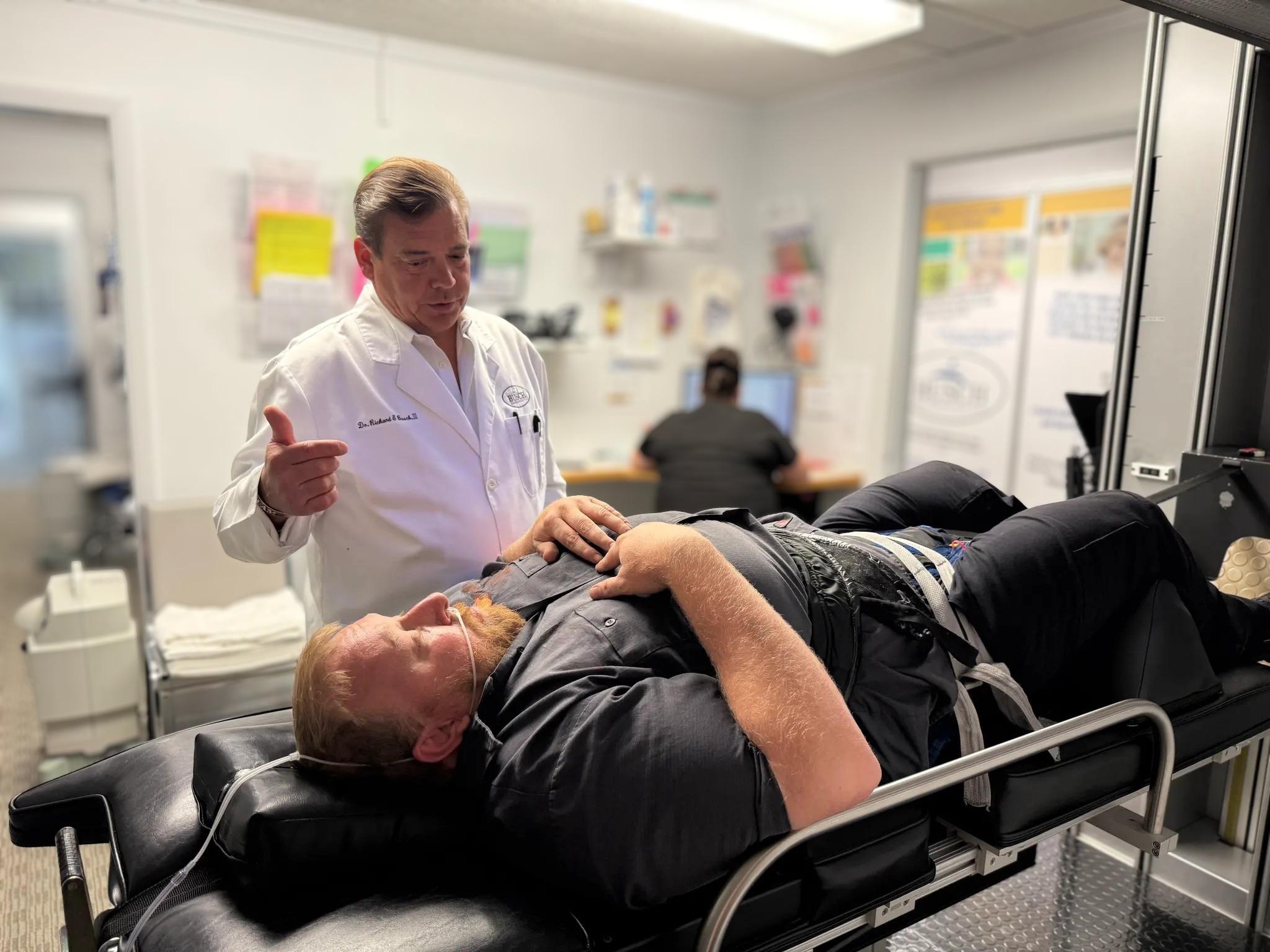
The DRS Protocol®
A revolutionary treatment designed to alleviate chronic back and neck pain without surgery or addictive medications.
Learn more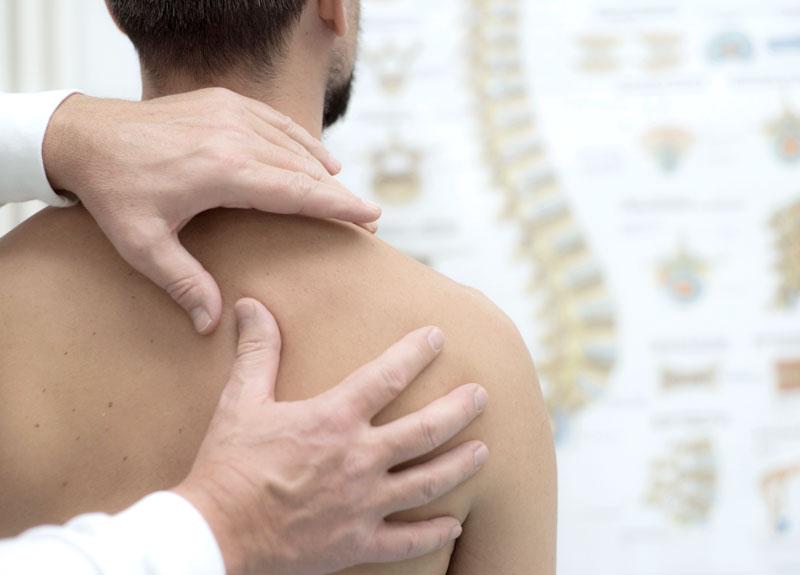
Chiropractic Care
A non-invasive, drug-free approach to musculoskeletal health that emphasizes spinal health and the body's natural ability to heal.
Learn more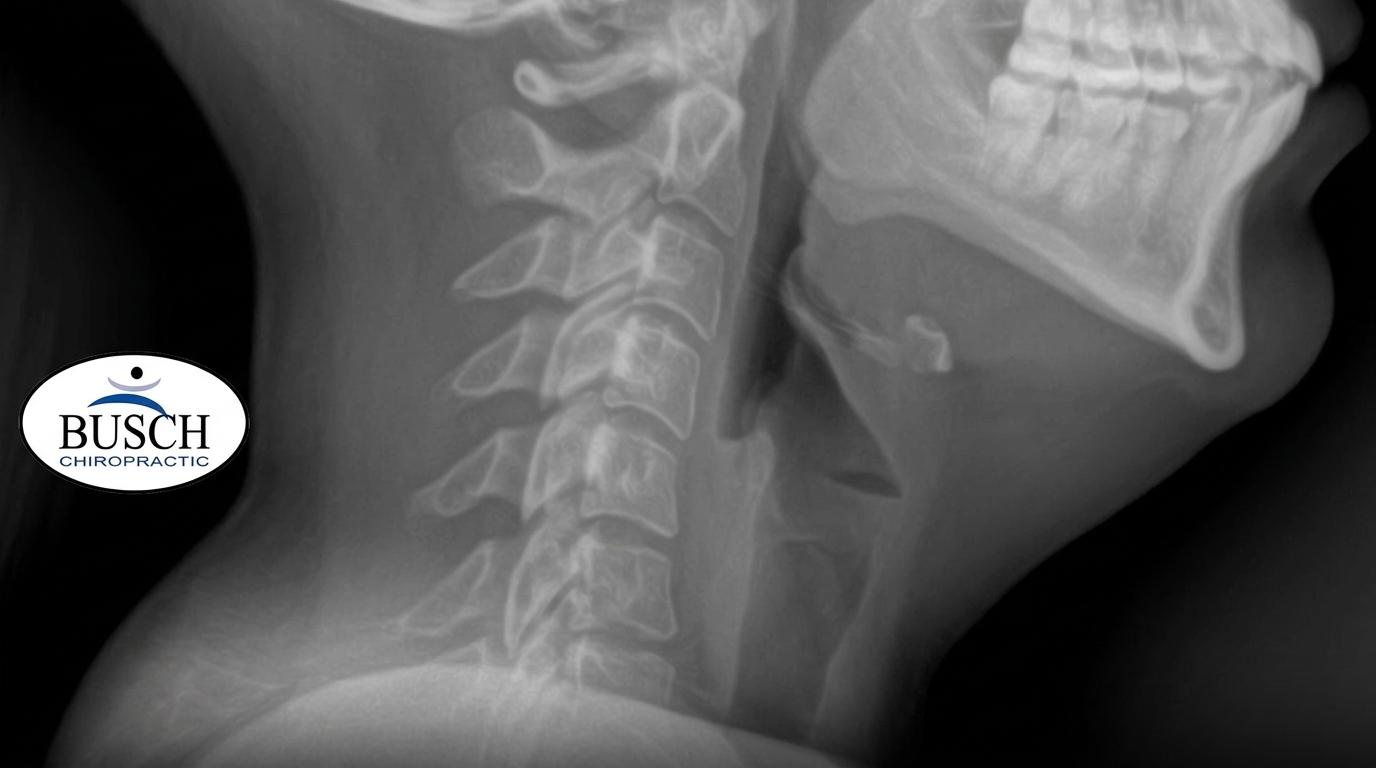
Dynamic Digital Radiography
A painless diagnostic test that records real-time, full-motion X-ray imaging of any body joint in motion — revealing dynamic injuries conventional imaging can't see.
Learn more