
Sciatica
Sharp, shooting pain down the leg? Sciatica is a symptom of nerve compression — and it's highly treatable without surgery or addictive drugs.

What Is Sciatica?
Sciatica is the term for pain that radiates along the sciatic nerve — the largest nerve in your body, formed from nerve roots that exit the lower spine and combine into a thick cord that runs through the buttock and down the back of each leg. The pain is usually felt on one side and can range from a mild ache to sharp, electric-shock-like sensations that make it hard to sit, sleep, or stand.
Sciatica isn’t a condition by itself — it’s a symptom of an underlying problem somewhere along the nerve’s path. The most common causes are:
- Herniated or bulging disc — by far the most frequent culprit. A disc in the lower back pushes outward and presses directly on a nerve root.
- Spinal stenosis — narrowing of the spinal canal, often from age-related changes, that crowds the nerves as they exit.
- Facet joint dysfunction or arthritis — irritation of the small joints behind each vertebra.
- Piriformis syndrome — the sciatic nerve passes underneath (and sometimes through) the piriformis muscle deep in the buttock; when that muscle spasms it can compress the nerve.
- Spondylolisthesis — when one vertebra slips forward over another, narrowing the nerve openings.
- Less commonly: pregnancy, tumors, infections, or trauma.
Identifying the actual underlying cause is the single most important step in resolving sciatica — the right treatment for a herniated-disc-driven sciatica is very different from the right treatment for piriformis syndrome.
Common Symptoms
- Sharp, shooting, or burning pain down one leg
- Tingling or “pins and needles” sensations in the leg or foot
- Numbness in the leg, foot, or toes
- Muscle weakness in the affected leg — sometimes called “foot drop” when severe
- Pain that worsens with sitting, coughing, sneezing, or bending forward
- Difficulty standing up from a seated position
- Trouble walking long distances or finding a comfortable sleeping position
- A burning, electric quality to the pain that distinguishes it from ordinary muscular ache
Sciatica almost always affects just one side. Pain in both legs simultaneously is unusual and warrants prompt evaluation.
Don’t Let Sciatica Take Over Your Life
Many people learn to “live with” sciatic pain — modifying their daily activities, skipping the exercises and walks they love, sitting on a heating pad through every workday, or relying on pain medication that only goes so far. Over time, this strategy backfires. The leg muscles weaken from disuse. The deep core muscles that protect the spine deteriorate. The original disc or joint problem gets worse. What started as an occasional flare becomes a chronic problem that takes longer and longer to settle.
The good news: sciatica responds extremely well to the right treatment, even when it has been around for years. The earlier you address the underlying compression, the faster and more completely you tend to recover.
Non-Surgical Sciatica Treatment
The DRS Protocol® at Busch Chiropractic addresses sciatica at the source. By gently decompressing the affected disc level and relieving pressure on the nerve root, the protocol allows inflammation to subside and the irritated nerve to heal — typically without injections, addictive medications, or surgery.
A complete plan combines decompression with chiropractic care, supportive therapies to calm nerve inflammation, and a tailored rehab program to rebuild the deep core stability that protects the lower back going forward. Most patients are walking, sleeping, and sitting comfortably again within weeks — not because the pain has been masked, but because the underlying nerve compression has actually been resolved.
Schedule an appointment and let’s find out what’s pinching the nerve — and what it will take to get it off.
Real Sciatica Results on Video
Hear directly from patients who found relief from sciatica at Busch Chiropractic. Tap any video to watch their story.
Neuropathy and Balance Treatment That Restored Kerry’s Mobility After Failed Back Surgery
Read the full storyFrequently Asked Questions
Sciatica is technically a symptom — pain that travels along the sciatic nerve, usually down one leg. The actual cause is almost always nerve compression somewhere along the path of the nerve, most often where it exits the lower spine. That's why effective treatment focuses on identifying and relieving the underlying compression rather than just numbing the leg pain.
Classic sciatica produces a sharp, burning, or electric pain that travels from the lower back or buttock down one leg, sometimes all the way to the foot. It often worsens with sitting, coughing, or sneezing and may include numbness, tingling, or weakness. Pain that stays only in the lower back or buttock — without radiating below the knee — usually has a different cause and warrants its own evaluation.
Mild sciatica from a minor disc bulge sometimes resolves on its own with rest and gentle movement, but moderate-to-severe sciatica typically does not. Most patients who try to "wait it out" experience repeated flares and gradually losing function in the affected leg. Active treatment significantly shortens recovery time and reduces the risk of long-term nerve damage.
Cortisone injections can temporarily reduce inflammation around the nerve, but they don't address the underlying disc, joint, or postural problem that caused the compression in the first place. Many patients find that the relief is partial and short-lived, and repeated injections carry their own risks. Most pain specialists now recommend trying conservative care first — particularly spinal decompression — before pursuing repeated injections.
Yes — and you should, within reason. Total bed rest actually slows recovery in most cases. Gentle walking, specific low-back stabilization exercises, and proper stretching are usually beneficial. Heavy lifting, deep flexion, twisting under load, and prolonged sitting tend to aggravate sciatica and should be temporarily avoided. We'll give you specific guidance based on what's causing your pain.
Most patients experience significant pain reduction within the first 3–4 weeks of the DRS Protocol®. A typical complete program runs 8–12 weeks to ensure the disc or joint causing the compression actually heals — not just that the pain temporarily backs off. Patients with long-standing or post-surgical sciatica may need a longer course.
Most sciatica is not an emergency, but specific symptoms warrant immediate medical attention. If you experience sudden severe weakness in the leg, loss of bladder or bowel control, numbness in the saddle area (groin/inner thighs), or rapidly progressing weakness, go to the emergency room — these can indicate cauda equina syndrome, a rare but serious condition that requires urgent surgical evaluation.
Treatments that may help
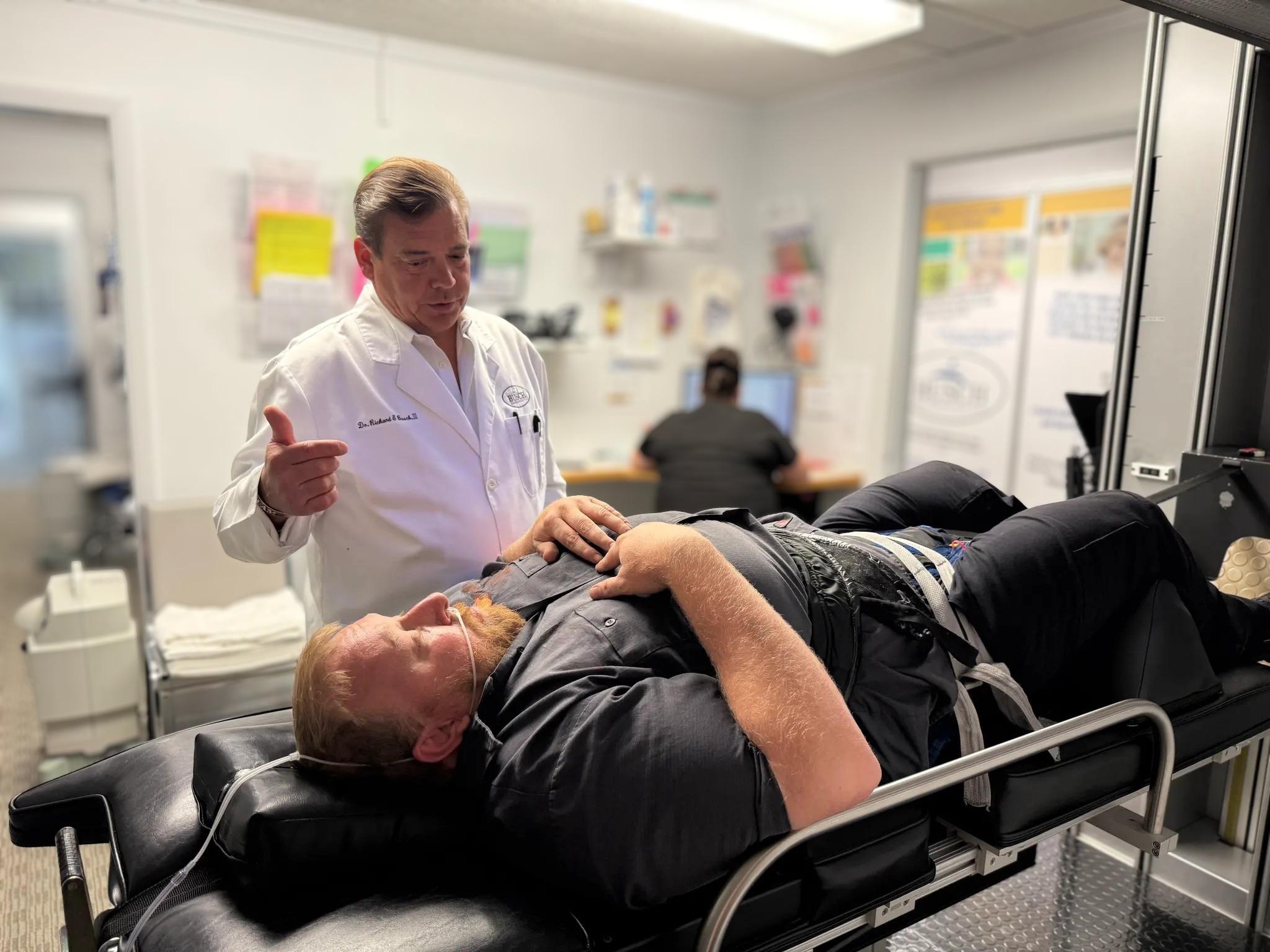
The DRS Protocol®
A revolutionary treatment designed to alleviate chronic back and neck pain without surgery or addictive medications.
Learn more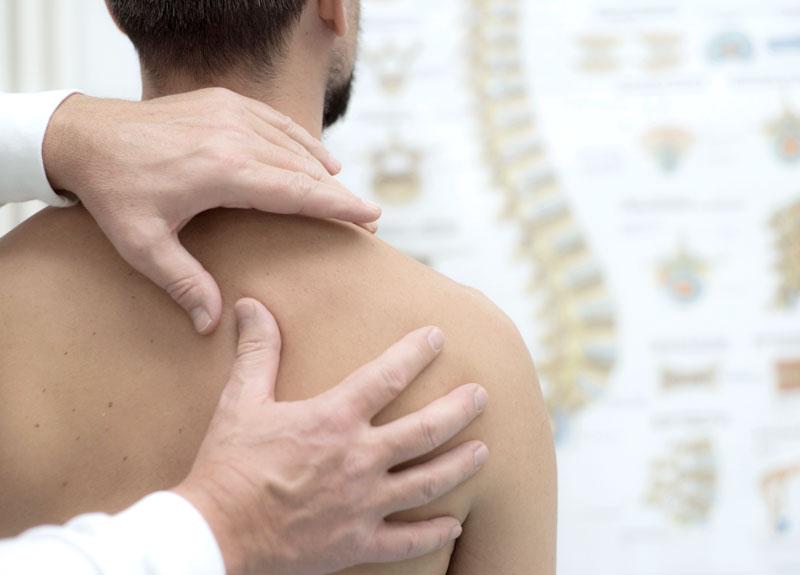
Chiropractic Care
A non-invasive, drug-free approach to musculoskeletal health that emphasizes spinal health and the body's natural ability to heal.
Learn more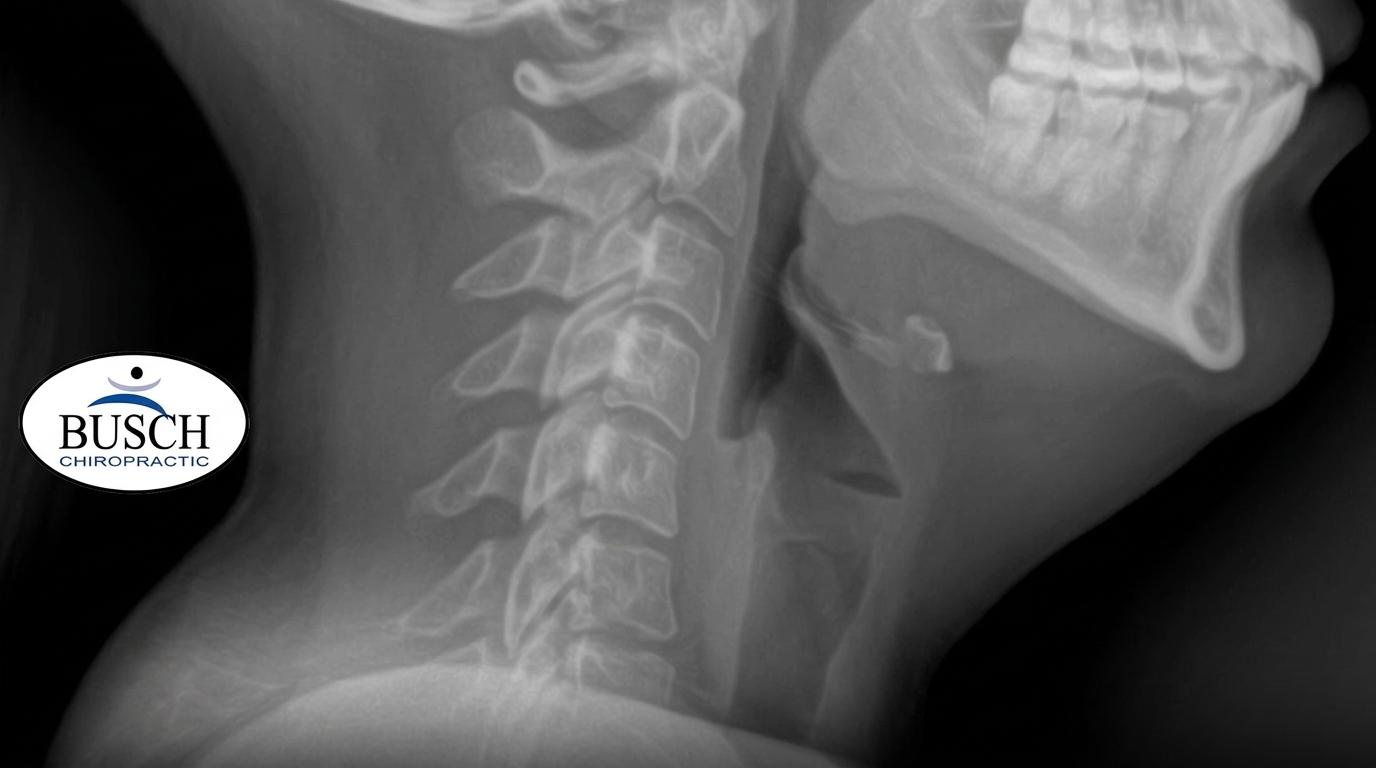
Dynamic Digital Radiography
A painless diagnostic test that records real-time, full-motion X-ray imaging of any body joint in motion — revealing dynamic injuries conventional imaging can't see.
Learn more