
Degenerative Disc Disease
Disc degeneration is a gradual process — but it doesn't have to end in surgery. The DRS Protocol® helps slow progression and restore comfort.

Understanding Degenerative Disc Disease
Despite the name, degenerative disc disease isn’t really a “disease” — it’s the gradual wear and tear that affects the discs cushioning your spine. Each spinal disc is made up of a tough outer ring surrounding a soft, water-rich inner core that absorbs shock and lets your back move smoothly. Over time, these discs lose hydration, height, and shock-absorbing ability. The result is pain, stiffness, and reduced mobility that often worsen with age — but it’s a process, not an inevitable trajectory toward surgery.
Degenerative disc disease (DDD) can affect any part of the spine, but it’s most common in the lumbar (lower back) and cervical (neck) regions because those areas handle the most load and movement. As discs lose height, the vertebrae above and below sit closer together, which can narrow the openings where nerves exit the spinal canal. This is why DDD often produces both localized back/neck pain and radiating symptoms in the arms or legs.
What Causes Disc Degeneration?
A combination of factors drives degeneration:
- Age — discs naturally lose water content and elasticity over time
- Genetics — some people inherit thinner or less resilient disc tissue
- Repetitive strain — years of poor lifting mechanics, sitting posture, or high-impact activity
- Acute injuries — accidents and falls accelerate degeneration at the affected level
- Smoking — nicotine restricts blood flow to discs, starving them of nutrients
- Excess weight — adds mechanical load, particularly to the lumbar spine
- Sedentary lifestyle — discs depend on movement to stay hydrated and nourished
The takeaway: while you can’t change your age or genetics, most of the modifiable factors are well within your control. Patients who address them often slow degeneration dramatically and live comfortable, active lives without surgery.
Common Symptoms
- Persistent low back or neck pain
- Pain that worsens with sitting, bending, or twisting
- Pain that improves when changing positions, walking, or lying down
- Numbness, tingling, or burning in the arms, hands, legs, or feet
- Muscle weakness, especially in the legs
- A feeling of stiffness or “catching” in the spine
- Periods of severe flare-ups followed by relative relief
- Pain that radiates into the buttocks or down the leg (when lumbar discs are involved)
Why Early Treatment Matters
Many people delay care because the pain seems to come and go — and during the “good” weeks they assume the problem has resolved on its own. But disc degeneration is cumulative. Each painful flare typically reflects another small step in the degenerative process: a little more disc height lost, a bit more inflammation, a touch more stiffness in the surrounding joints. What feels like an occasional flare-up today can become chronic pain tomorrow.
Early intervention does two things. It calms the current flare so you can get back to feeling like yourself — and it puts you on a maintenance trajectory that meaningfully slows further degeneration and protects the surrounding nerves, joints, and muscles. The patients who do best long term are the ones who address disc problems early, before they’ve compensated by stiffening the rest of their spine.
Non-Surgical Treatment Options
Busch Chiropractic offers the DRS Protocol®, a comprehensive non-surgical treatment that combines spinal decompression with customized therapies. The protocol gently relieves disc pressure, restores hydration, and supports the body’s natural healing — without medications or surgery.
A typical course pairs decompression with chiropractic care, targeted rehab to strengthen the muscles that support the affected level, and posture coaching so you can keep your spine healthy at home, at work, and in everything you love to do.
Schedule an appointment and let’s look at exactly what your spine needs.
Real Degenerative Disc Disease Results on Video
Hear directly from patients who found relief from degenerative disc disease at Busch Chiropractic. Tap any video to watch their story.
After Failed Back Surgery, Ernie Found Back Pain Relief with the DRS Protocol®
Read the full storyJim avoided surgery and is now back to riding dirt bikes with the DRS Protocol®
Read the full storyNeuropathy and Balance Treatment That Restored Kerry’s Mobility After Failed Back Surgery
Read the full storyFrequently Asked Questions
No — and that's part of why the name is so misleading. "Degenerative disc disease" is really the gradual wear and tear that happens to spinal discs over the course of a normal life. It's not progressive in the way cancer or arthritis is. Many people have visible disc degeneration on imaging and feel completely fine. The goal of treatment isn't to "cure" degeneration — it's to relieve pain, restore function, and slow further breakdown so the spine stays comfortable for the long term.
Disc changes typically begin in the late 20s or early 30s and accumulate gradually from there. By age 60, the majority of adults show some degenerative changes on MRI — but again, imaging findings don't always match symptoms. What matters is whether your discs are causing pain or limiting your life, not just whether they look "old" on a scan.
Without intervention, yes — discs continue to lose hydration and height with age, and the spine compensates by stiffening surrounding joints. The good news is that the rate of decline is highly modifiable. Decompression therapy, regular movement, core strengthening, and good posture meaningfully slow further degeneration and often allow patients to remain pain-free for years.
A truly degenerated disc cannot be returned to a 25-year-old's anatomy — but disc tissue does respond to the right inputs. Spinal decompression has been shown to improve disc hydration, restore some lost height, and reduce inflammation. For most patients, the practical goal is to get the disc functioning well enough that it stops causing pain — and that's very achievable, even with significant degeneration on imaging.
Degenerative discs go through cycles of irritation and calm. A long day, a poor night's sleep, a heavy lift, or even weather changes can trigger inflammation around an already-compromised disc. As the inflammation settles, the pain backs off — until the next trigger. That cycle can continue for years, but it tends to get gradually shorter and the flares longer if the underlying disc problem isn't addressed.
The biggest contributors are regular low-impact movement (walking, swimming, cycling), maintaining a healthy weight to reduce mechanical load, building deep core stability, sleeping on a supportive mattress in a neutral position, and quitting smoking — nicotine measurably reduces blood flow to disc tissue. Hydration matters too, since discs are roughly 80% water.
Most patients with degenerative disc disease will never need surgery. Surgery — typically fusion or disc replacement — is generally reserved for patients with severe instability, progressive neurological deficits, or cases that have failed every reasonable conservative option. Conservative care should always come first, and for the vast majority of patients it's also the last step they need.
Treatments that may help
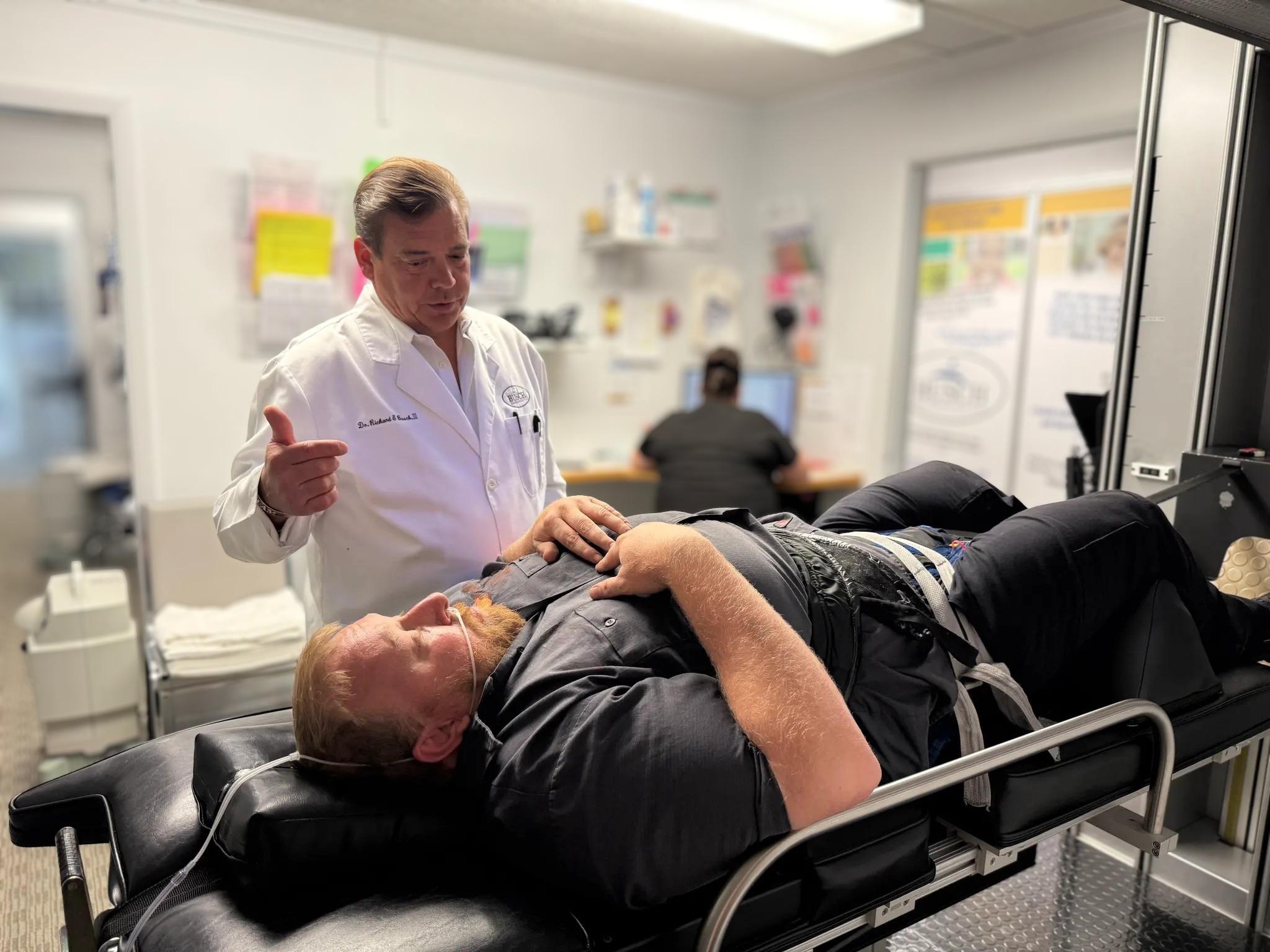
The DRS Protocol®
A revolutionary treatment designed to alleviate chronic back and neck pain without surgery or addictive medications.
Learn more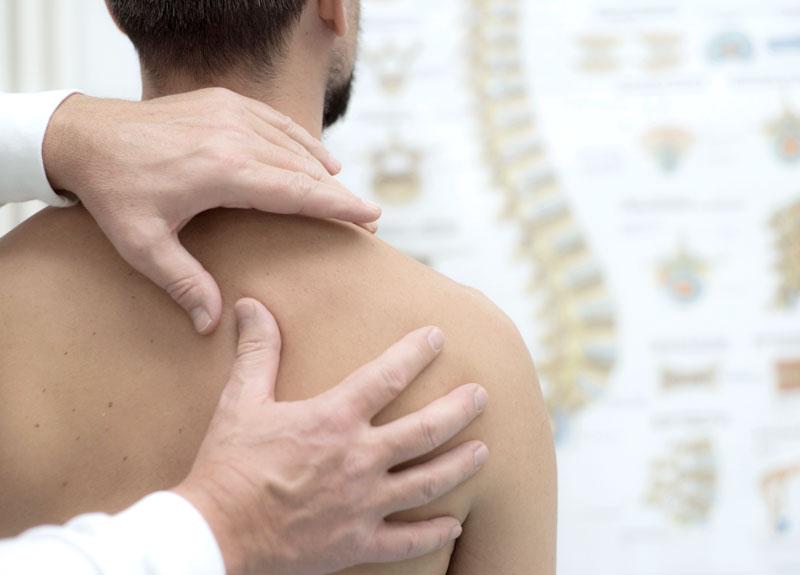
Chiropractic Care
A non-invasive, drug-free approach to musculoskeletal health that emphasizes spinal health and the body's natural ability to heal.
Learn more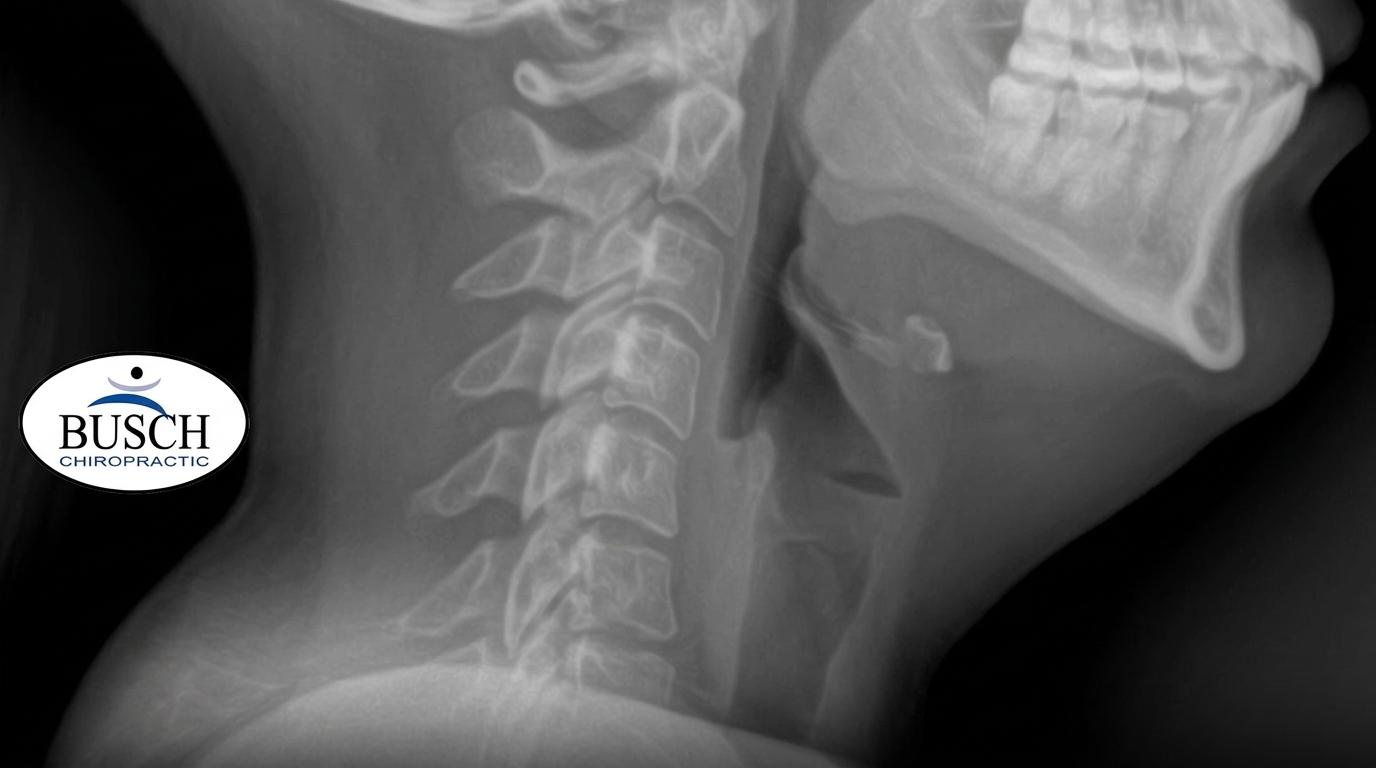
Dynamic Digital Radiography
A painless diagnostic test that records real-time, full-motion X-ray imaging of any body joint in motion — revealing dynamic injuries conventional imaging can't see.
Learn more